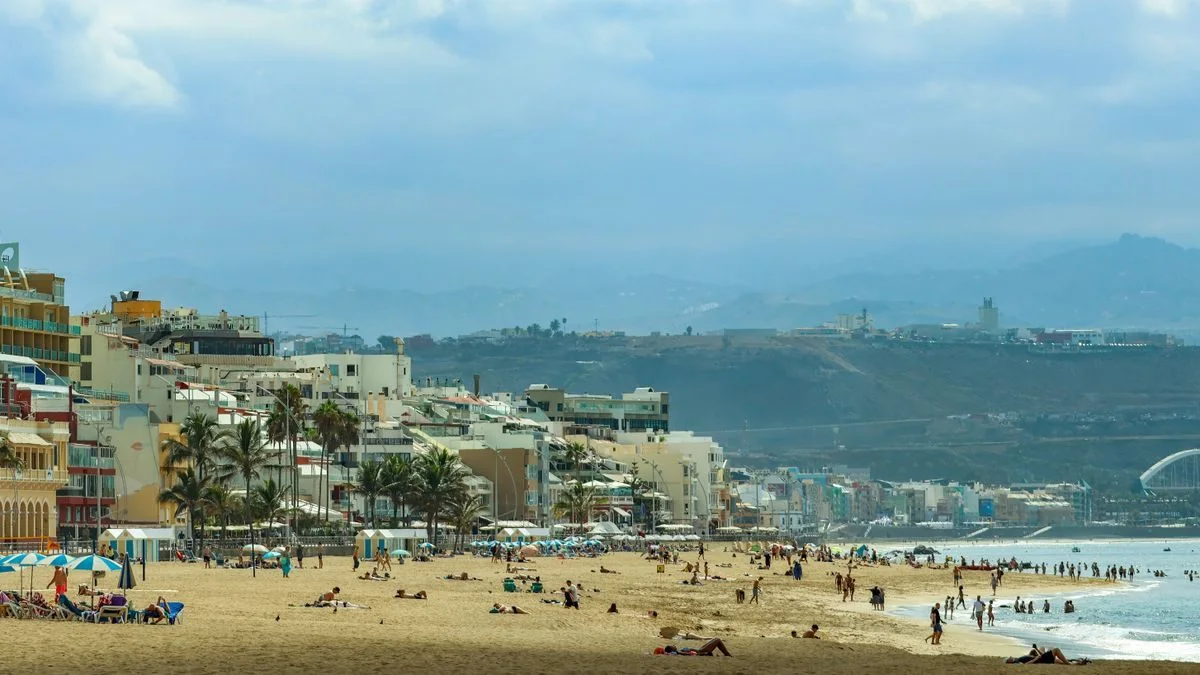
Cyprus, Crete and Malta are three of the most useful choices for a European seaside break in October, but they do not offer the same holiday. Cyprus is the warmest and most reliable option for swimming. Crete is the most varied if you want beaches, towns, hills, history and longer day trips in one week. Malta is the simplest choice for a short break without a car, because distances are short and many sights can be reached by bus, ferry or on foot.
October is a transition month, so averages are only a starting point. The beginning of the month can still feel summery, while the final week is often more changeable. Sea and air temperature matter, but so do wind, coast exposure, transfer time, seasonal closures and whether you will rent a car. If the main goal is swimming every day, Cyprus is usually the answer. If you want the richest week of exploring, Crete has the edge. If you have three or four days and want easy logistics, Malta is a very strong choice.
Choose Cyprus for the warmest sea, Crete for the most varied holiday and Malta for the easiest city-and-sea break. In the first half of October all three make sense; after 20 October Cyprus has the clearest advantage.
Cyprus, Crete and Malta in October compared
The table gives typical October ranges rather than a forecast for exact dates. The sea is usually warmer at the beginning of the month than at the end, and local wind or waves can matter as much as the average temperature.
| Destination | Daytime temp. | Sea | Best for |
|---|---|---|---|
| Cyprus | 26–27 °C | about 25 °C | swimming and sun |
| Crete | 23–24 °C | 23–24 °C | trips and beaches |
| Malta | 24–25 °C | about 24 °C | a car-free break |
Cyprus in October: the warmest choice for swimming
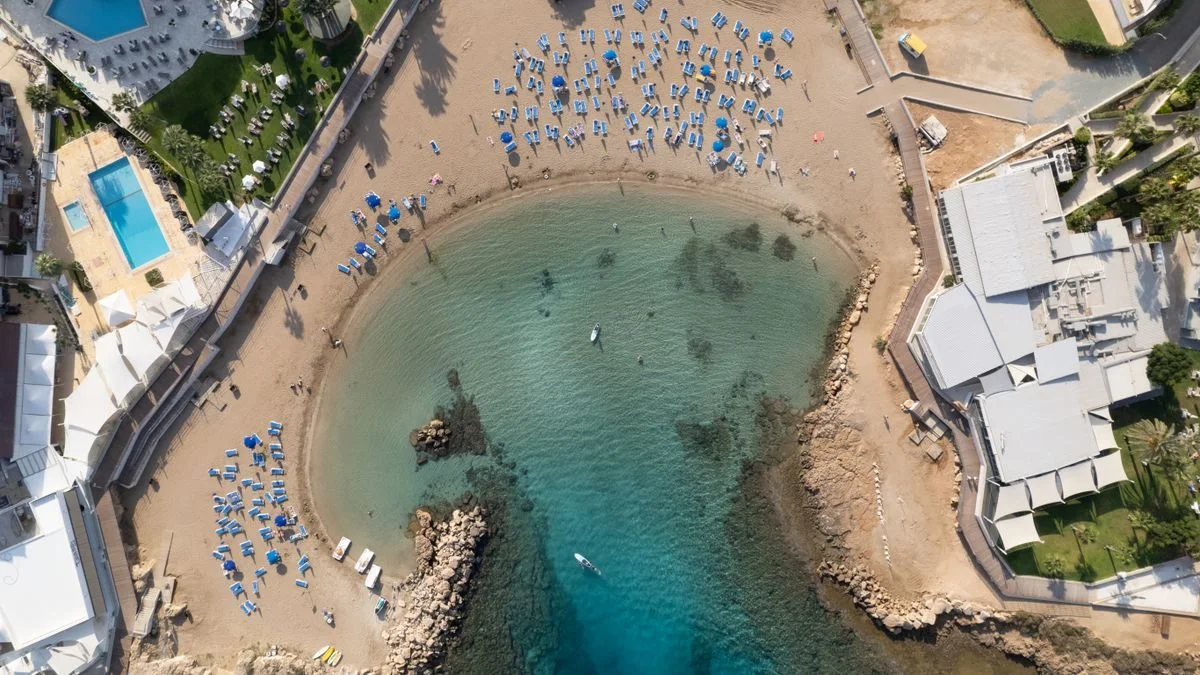
Cyprus is the best option when the holiday is still built around proper beach days. The sea is often around 25 °C in October and a little warmer in the first half of the month. The strongest summer feel is in the southeast, especially around Ayia Napa and Protaras, with sandy beaches, easy water access and accommodation near the coast. Paphos is better if you want swimming, archaeology, walks and a calmer rhythm.
Cyprus has its clearest advantage in the second half of October. As showers become more likely in Crete and Malta, Cyprus often remains warm enough for days in swimwear. This does not guarantee the weather, but Cyprus has the strongest starting position for warm sea temperatures.
Eastern Cyprus usually keeps a summery feel longer into October, but the best beach day is one with light wind and limited cloud – the Ayia Napa forecast is the quickest way to identify it. If swimming is your priority, review the latest sea temperature before booking. Paphos can behave differently: its local forecast helps with sightseeing plans, while sea conditions are more useful when choosing a beach day.

Cyprus is the most reliable choice when October swimming is the main priority. Photo by Ollie Craig via Pexels.
Crete in October: the most variety for a longer holiday
Crete is not always the warmest, but it is the most varied. In one week you can combine old towns, Minoan sites, villages, gorges, mountain roads and very different beaches. The north coast is more practical, while parts of the south can be milder but require longer transfers.
Wind and waves can quickly alter plans in western Crete. Check the Chania forecast first when planning Balos, Elafonissi, or the Samaria Gorge; if swimming matters, the sea temperature near Chania helps show whether conditions still suit a beach day.

Crete in October rewards travellers who want to connect beaches with towns and day trips. Photo by Pham Ngoc Anh via Pexels.
Malta in October: the most practical without a car
Malta is the easiest choice for a short break. In three to five days you can see Valletta, Sliema, Mdina, harbour towns and add some swimming. The difference from Cyprus and Crete is the coast: many swimming spots are rocky, while long sandy beaches are less common.
Sliema works well for a city break with swimming from rocky waterfront spots. Because access is often directly from the rocks, the Sliema forecast matters mainly for wind and waves, while the sea temperature shows how comfortable the water is likely to feel.

Malta is very practical for a short autumn break where a car is not essential. Photo by GirlvsGlobe86 via Pexels.
Where is warmest, and where is rain least likely?
If we look only at sea temperature, Cyprus usually comes first. Malta is often close, but it has a higher chance of short, heavy showers. Crete is more mixed: the north coast is practical, while southern areas may be slightly warmer but harder to arrange logistically. One degree in the water does not sound like much, but with wind and cloud it can be very noticeable. For rain risk, Cyprus generally has the lowest, Malta is more autumnal and Crete sits in between.
Which destination fits your holiday style?
| Priority | Best choice | Why |
|---|---|---|
| warmest sea | Cyprus | water stays warm longest |
| long weekend | Malta | short distances |
| longer exploring | Crete | most variety |
| without a car | Malta | buses and ferries |
| late October | Cyprus | best weather margin |
Final decision
Choose Cyprus if you want the warmest sea, the best chance of sunshine and a holiday where the beach remains the centre of the day. Choose Crete if you have at least a week, will rent a car and want to combine swimming with exploring. Choose Malta if you want a short break, many sights, evening life and fewer transport decisions.
For a wider comparison, see the guide to where the sea is still warm in Europe in October. If your dates are flexible, the overview of where the sea is warmest in Europe in September is useful too.
Frequently asked questions
Where is the sea warmer in October: Cyprus, Crete or Malta?
Usually in Cyprus. The sea is often around 25 °C in October, Malta is generally close to 24 °C and Crete is mostly between 23 and 24 °C, depending on the part of the island.
Can you still swim at the end of October?
Yes, especially in Cyprus. Swimming is also possible in Crete and Malta, but it depends more on short-term weather, wind and the coast you choose.
Which destination is best without a car?
Malta. Many important places are reachable by bus or ferry, while a car is much more useful in Crete and Cyprus.